The Health Benefits of Bee Pollen: Why and How to Add Nature’s Superfood to Your Diet
The Power of Bee Pollen: Why It’s Great for You and How to Take It
Bee pollen is gaining attention as one of nature’s most nutrient-rich superfoods—and for good reason. Harvested by honey bees as they gather nectar and pollen from flowers, bee pollen is a golden treasure loaded with vitamins, minerals, protein, and antioxidants. At The Honey Ladies in San Jose, we specialize in humane bee removal and beekeeping, and we’re proud to share the many health benefits of bee pollen harvested from our local hives.
What Is Bee Pollen?
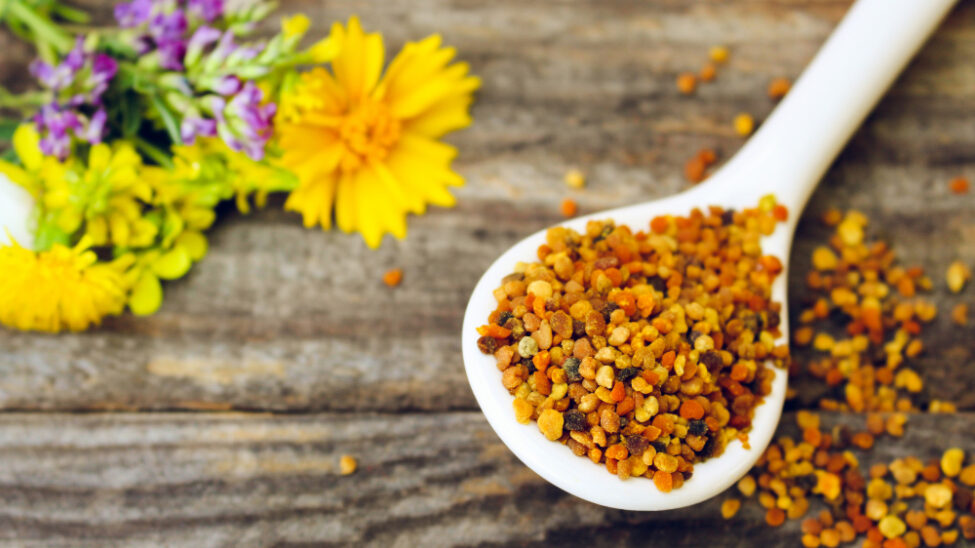
Bee pollen is made up of tiny pollen granules that bees collect from flowers and mix with a bit of nectar and bee secretions. This blend forms a dense pellet that bees carry back to the hive as a primary source of protein. For humans, bee pollen is a highly concentrated, natural supplement that supports everything from energy levels to immune function.
Nutritional Bee Pollen Profile
Bee pollen is packed with over 250 biologically active substances, including:
- B vitamins (especially B1, B2, and B6)
- Vitamin C, D, and E
- Folic acid
- Amino acids
- Essential minerals like calcium, magnesium, zinc, and iron
- Enzymes and coenzymes
- Antioxidants such as flavonoids and carotenoids
Its impressive nutritional density makes bee pollen a powerful addition to a balanced diet.
Key Bee Pollen Health Benefits
- Boosts Energy and Endurance:
The carbohydrates, protein, and B vitamins in bee pollen provide a natural boost, making it a great choice for athletes or anyone with a busy lifestyle. - Supports the Immune System:
Bee pollen contains antimicrobial and anti-inflammatory compounds that may help strengthen your immune response. - Reduces Inflammation:
Thanks to its flavonoids and plant-based compounds, bee pollen has been linked to reduced swelling and chronic inflammation. - Promotes Digestive Health:
The natural enzymes in bee pollen can assist with digestive processes, improving nutrient absorption. - Allergy Support:
Although more research is needed, some believe that local bee pollen can help desensitize the body to seasonal allergens, much like local honey.
How to Ingest Bee Pollen
Bee pollen is most commonly available in granule or powder form and can be eaten in a variety of ways:
- Sprinkle over yogurt or oatmeal
- Blend into smoothies
- Add to salads or cereal
- Consume by the spoonful or with honey
It’s best to start with a small dose—about 1/4 teaspoon—to check for allergic reactions, especially if you have pollen sensitivities. Gradually increase to 1-2 teaspoons per day as tolerated.
The Honey Ladies Difference
At The Honey Ladies, we ensure our bee pollen is raw, fresh, and harvested with care from our San Jose-area hives. We’re committed to sustainable beekeeping and providing high-quality products that support both your health and our local pollinators.