What Happens to Bees During the Winter Months?
As temperatures drop and daylight shortens, many people wonder what happens to bees during the winter months. Do they hibernate, migrate, or simply disappear? For honeybees and other beneficial pollinators, winter is a critical survival period that requires careful preparation and remarkable teamwork. At The Honey Ladies, a local beekeeping and bee removal company in San Jose, we often educate homeowners about the fascinating ways bees endure the colder season.
Honeybees Don’t Hibernate—They Cluster
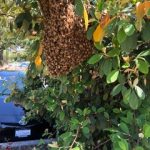
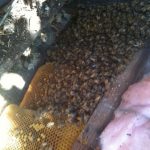
Unlike some insects, honeybees do not hibernate or leave the area during winter. Instead, they remain inside their hive and form what is known as a winter cluster. Thousands of bees gather tightly around the queen, vibrating their wing muscles to generate heat. This collective effort keeps the center of the cluster warm—often around 90°F—even when outside temperatures drop significantly.
The bees on the outer edge of the cluster rotate inward so no single bee stays exposed to the cold for too long. This constant movement and cooperation allow the colony to survive winter without foraging outside the hive.
Stored Honey Becomes Essential
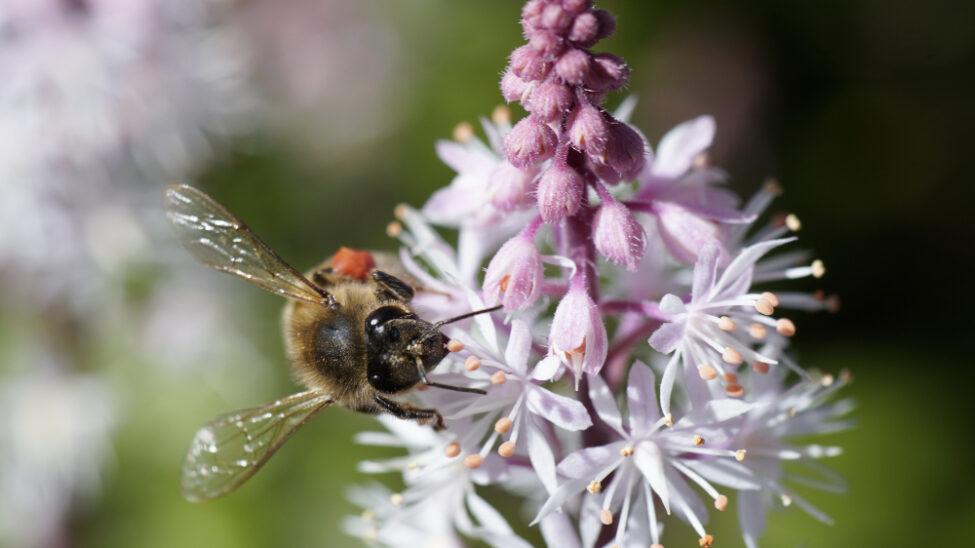
During the warmer months, bees work tirelessly to collect nectar and pollen. That stored honey isn’t just for us—it’s their primary food source during winter. Since flowers are not blooming and nectar is unavailable, the colony survives entirely on its honey reserves.
A healthy hive must have enough stored honey to last through the winter. If reserves are too low, the colony may not survive. This is one reason responsible beekeeping and professional hive management are so important.
The Queen Slows Down Egg Laying
In winter, the queen honeybee significantly reduces or completely pauses egg production. This helps conserve resources and energy within the hive. As spring approaches and temperatures rise, the queen gradually resumes laying eggs, allowing the colony to rebuild its population in time for the next nectar flow.
What About Other Types of Bees?
Not all bees overwinter the same way. Many native solitary bees—such as mason bees and carpenter bees—do not live through the winter as adults. Instead, they overwinter as eggs, larvae, or pupae hidden safely in nests, wood, or soil. Bumblebee colonies usually die off in fall, leaving only newly mated queens to overwinter and start new colonies in spring.
Why Winter Matters for Bee Removal
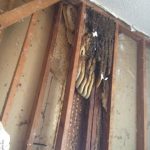
During winter, honeybees are less active but still very much alive. This is an important consideration when bees are found in walls, attics, or other structures. Professional, humane bee removal ensures colonies are safely relocated rather than destroyed—protecting both the bees and your home.
Supporting Bees Year-Round
Understanding what bees go through in winter helps us appreciate how vital they are to our ecosystem. At The Honey Ladies, we are passionate about protecting bees through ethical beekeeping, education, and safe bee removal practices throughout San Jose and surrounding areas.
If you have questions about bees on your property or want to learn more about supporting pollinators, we’re always happy to help.