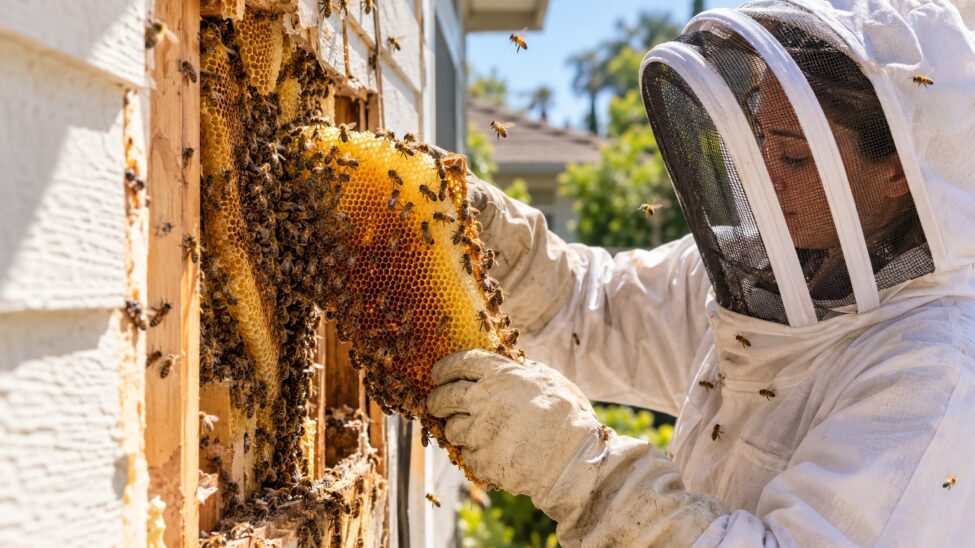
Bees in Your Walls? What San Jose Homeowners Need to Know About Hidden Beehives
Imagine sitting in your living room and hearing a faint buzzing sound coming from behind the wall. At first, you might assume it is an electrical appliance, a ventilation issue, or something outside your home. But what if that sound is coming from thousands of honey bees building a colony inside your house?
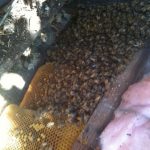
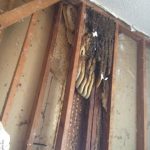
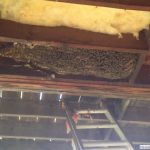
For homeowners in San Jose, Santa Clara, Campbell, and throughout the Bay Area, honey bees can sometimes establish colonies inside walls, attics, chimneys, and other enclosed spaces. These locations provide shelter from the elements and can offer bees a protected environment in which to build honeycomb and raise their young.
While honey bees are essential pollinators, having an established colony inside your home can create serious challenges. Understanding the warning signs and knowing when to contact a professional beekeeper can help protect your property while preserving these valuable insects.
Why Honey Bees Build Hives Inside Homes
Honey bees naturally seek sheltered cavities when establishing a new colony. In the wild, they may choose hollow trees or other protected spaces. Unfortunately, residential buildings sometimes provide similar conditions.
Small openings around siding, rooflines, vents, and exterior walls can give honey bees access to enclosed areas. Once a colony moves inside, worker bees begin constructing wax honeycomb to store honey, collect pollen, and raise developing bees.
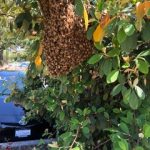
Unlike a temporary swarm resting on a tree branch, an established colony inside a structure may remain active for an extended period.
1. Warning Signs That Bees Are Living Inside Your Walls
Recognizing the early signs of a hidden beehive can help homeowners address the situation before the colony grows larger.
Some common warning signs include:
- Persistent buzzing sounds: A steady humming or buzzing noise coming from a wall, ceiling, or enclosed space may indicate bee activity.
- Bees entering a small opening: Repeated bee traffic around siding, roof edges, vents, or cracks can indicate an established entrance.
- Increased bee activity: Large numbers of honey bees gathering around a particular section of your home may suggest a nearby colony.
- Honey or wax residue: In some cases, honey or melted wax can seep through building materials and create stains.
- Unusual odors: An abandoned or damaged hive may eventually produce unpleasant odors, particularly when honeycomb or other organic materials deteriorate.
Not every buzzing sound or insect sighting means there is a honey bee colony inside your home. However, repeated activity in the same location deserves professional attention.
2. Why You Should Never Seal an Active Beehive Inside a Wall
One of the biggest mistakes homeowners make is attempting to solve a bee problem by sealing the entrance.
Although blocking the opening might seem like an easy solution, it can make the situation significantly worse.
If the bees remain alive inside the structure, they may search for another exit, potentially entering interior living spaces through small gaps around fixtures, windows, or wall openings.
Additionally, simply eliminating the bees without removing the honeycomb can leave behind honey, wax, and other hive materials.
These materials can attract other pests, produce odors, and potentially cause staining or damage inside walls.
Spraying insecticides into an enclosed space can also introduce unnecessary risks to people, pets, and beneficial pollinators.
The better approach is to have the colony evaluated by someone experienced in live honey bee removal.
Homeowners interested in learning more about insect identification and responsible pest management can visit the University of California Integrated Pest Management Program, which provides educational resources about insects and pest management.
Professional Live Bee Removal in San Jose and the Bay Area
When honey bees establish a colony inside a home, removing them properly requires more than simply collecting the visible insects.
A professional beekeeper must evaluate the colony’s location, determine how to access the hive, and develop a removal plan that considers both the bees and the structure.
At The Honey Ladies, saving honey bees is central to our mission. Our team specializes in live bee removal and relocation, helping homeowners resolve unwanted bee activity while giving colonies an opportunity to survive in a more appropriate environment.
We provide professional live bee removal services for colonies found in walls, roofs, chimneys, floors, trees, and other difficult-to-reach locations.
3. What Happens During Professional Beehive Removal?
Every bee removal situation is different, particularly when a colony is established inside a building.
A typical professional removal may involve several important steps.
Locating the colony: The beekeeper examines the property to determine where bees are entering and where the colony is likely established.
Evaluating access: If the colony is inside a wall or another enclosed cavity, accessing the honeycomb may require carefully opening part of the structure.
Removing the bees: Specialized equipment and beekeeping techniques are used to collect and relocate the colony, including the queen whenever possible.
Removing honeycomb: Removing the comb and accumulated honey is an important part of addressing an established hive inside a structure.
Repairing the affected area: After the colony and hive materials have been removed, damaged or opened building materials may need to be repaired, and potential entry points addressed.
The Honey Ladies also offers structural repair services associated with beehive extraction, helping homeowners address the affected area after removal.
How Can Homeowners Reduce the Chances of Bees Moving In?
Although no property can be completely protected from bee activity, routine home maintenance can reduce potential nesting opportunities.
Inspect exterior siding, roof edges, vents, and utility penetrations for gaps that might allow insects to enter. Repair damaged screens and address openings before a colony establishes itself.
Pay particular attention during warmer months when honey bee colonies may reproduce by swarming and scout bees search for suitable nesting locations.
If you notice bees repeatedly entering an opening, do not seal it until a professional has determined whether a colony is already inside.
It is also important to remember that honey bees visiting flowers in your yard are not necessarily a problem. Bees collecting nectar and pollen are performing an important role in the local ecosystem.
Protect Your Home While Helping Save Honey Bees
Honey bees play a vital role in pollinating plants, supporting agriculture, and maintaining healthy ecosystems throughout California.
When they establish a colony inside a residential structure, however, homeowners need a solution that addresses both safety and property concerns.
The Honey Ladies proudly serves San Jose, Santa Clara, Campbell, and surrounding Bay Area communities with professional live bee removal services.
Our experienced beekeepers understand how to handle challenging removals, including colonies hidden inside walls and other enclosed spaces.
If you suspect honey bees are living inside your home, do not wait for the colony to become more established.
Contact The Honey Ladies today at (408) 531-5045 or visit our contact page to request professional assistance.
Together, we can protect your property while helping save the honey bees that are so important to our environment.